
EOHM in the Netherlands
Innovation and stability for the grid of the future
According to ENTSO-E reports and the technical analysis available, the lack of sufficient voltage control and reactive power reserve was one of the critical factors that contributed to the blackout of April 27, 2025 in the Iberian power system.
In this context, it is reasonable to assume that a stronger presence of synchronous condensers could have reinforced system resilience and mitigated the mechanisms that led to the collapse.
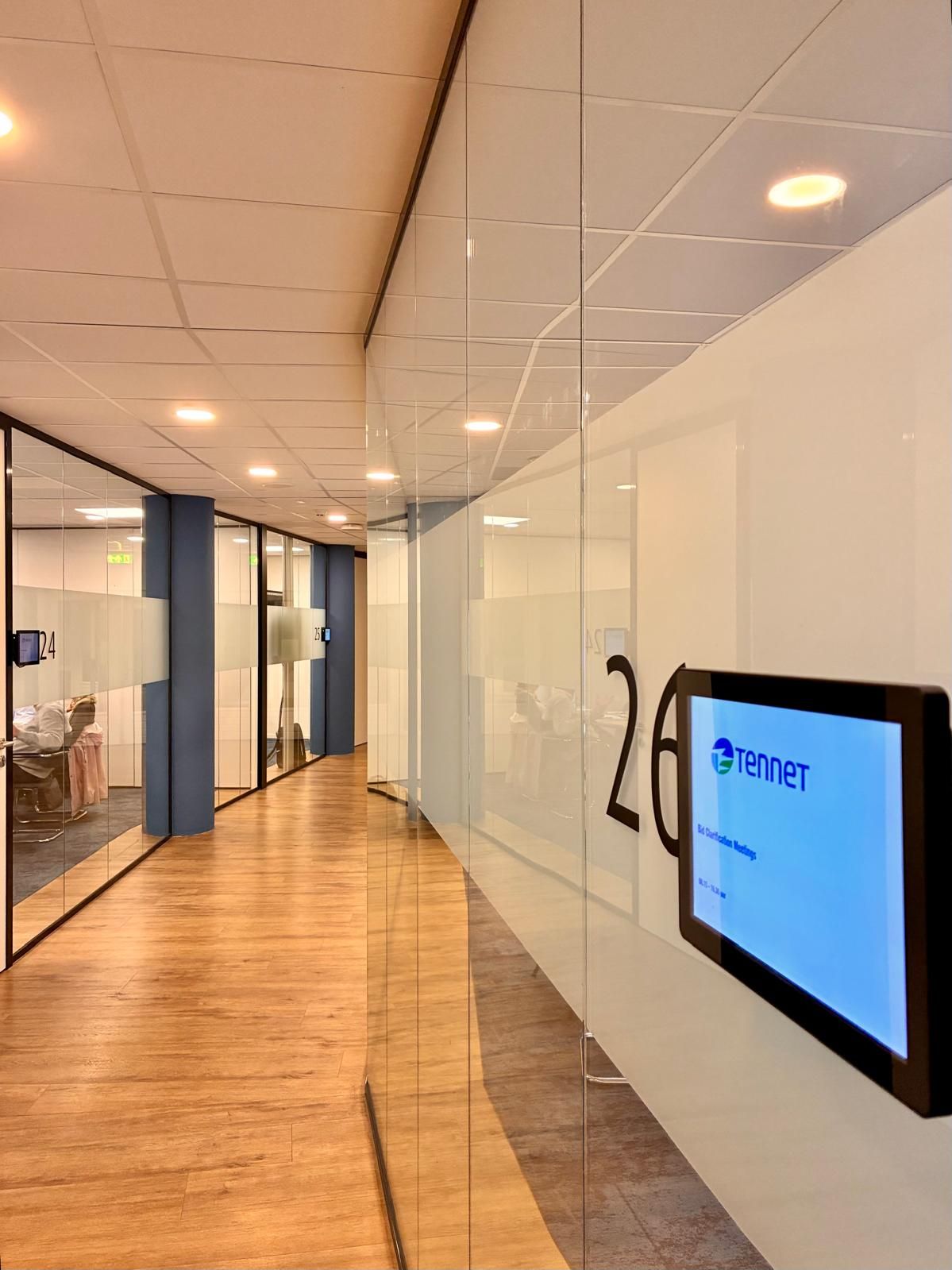
Tennet Meeting Centre
Synchronous condensers: key to the energy transition
This week, part of the EOHM project team travelled to the Netherlands to take the next step in a strategic initiative for Europe’s energy future: the installation of synchronous condensers, as one of the grid-stability solutions required by the Dutch electrical system.
With an accelerated energy transition and an increasing share of renewables—particularly offshore wind—grid operators such as Tennet face the same challenge seen across Europe: maintaining system stability and reliability in networks that no longer benefit from the natural inertia of conventional thermal generation.
This is where synchronous condensers play a vital role. They can:
Provide physical inertia to damp sudden frequency fluctuations.
Supply or absorb reactive power for voltage control.
Strengthen weak areas of the grid, enhancing stability and system security.
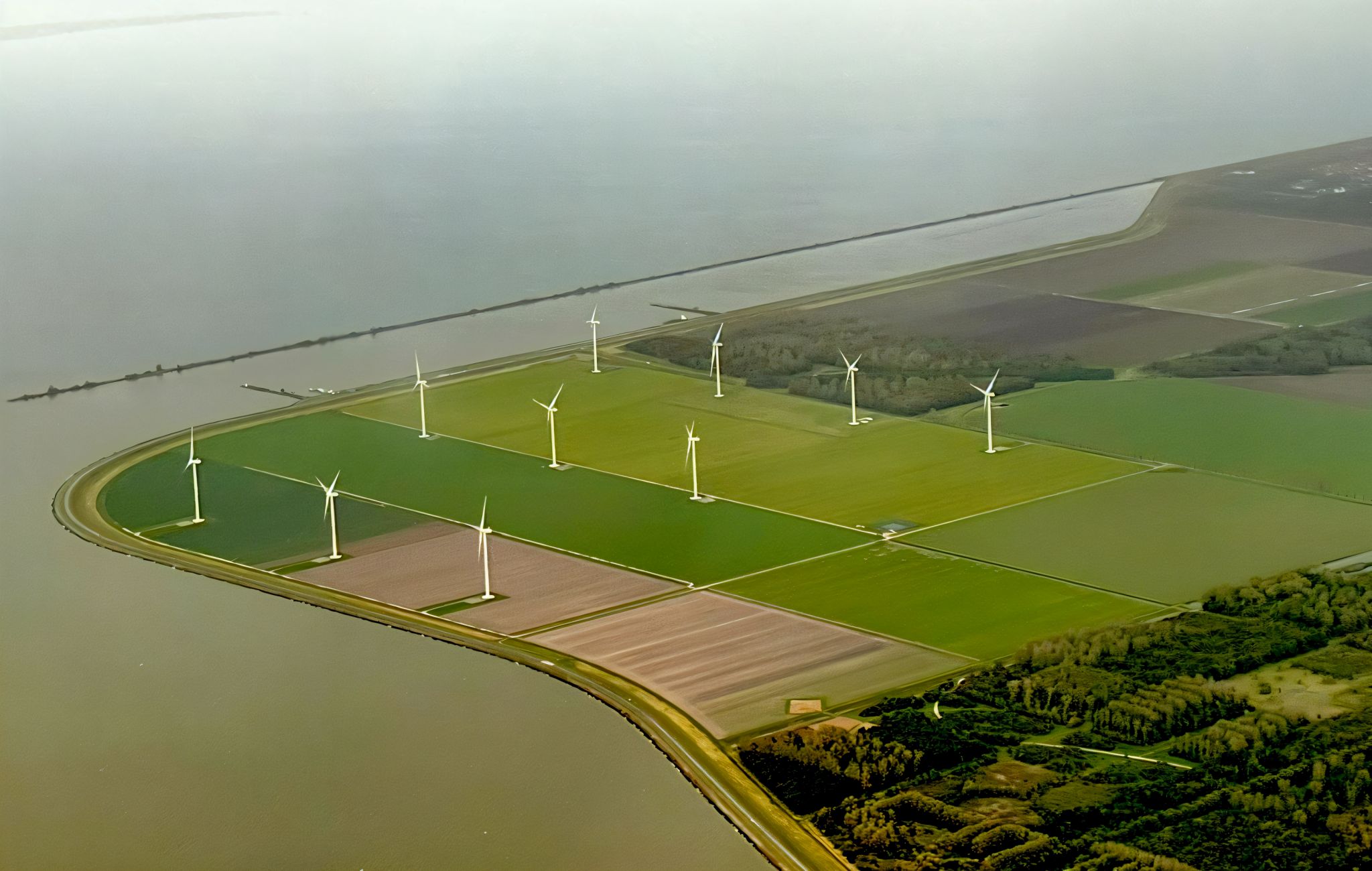
Wind Turbines Netherlands
Experience serving European system operators
At EOHM, we are proud to bring our engineering and electrical-system expertise to a project that is not only important for the Netherlands, but also reflects the way Europe is advancing toward stronger and more interconnected grids.
During our visit, we met with Tennet’s technical team to align the key aspects of design and operation, ensuring that the implemented solutions effectively address the challenges of a modern power system.
The energy transition is not only about generating clean power — it requires building the smart infrastructure that allows us to integrate it securely and reliably.
Synchronous condensers are a fundamental component of this transformation.
Dutch canals
Towards a more robust, flexible and interconnected European grid
The path to decarbonisation demands innovation, system reinforcement and collaborative development across countries and operators. With projects like this, Europe moves closer to a resilient electrical network capable of supporting the renewable future ahead.
Synchronous condensers will remain one of the essential technologies enabling this progress.
EOHM© 2025